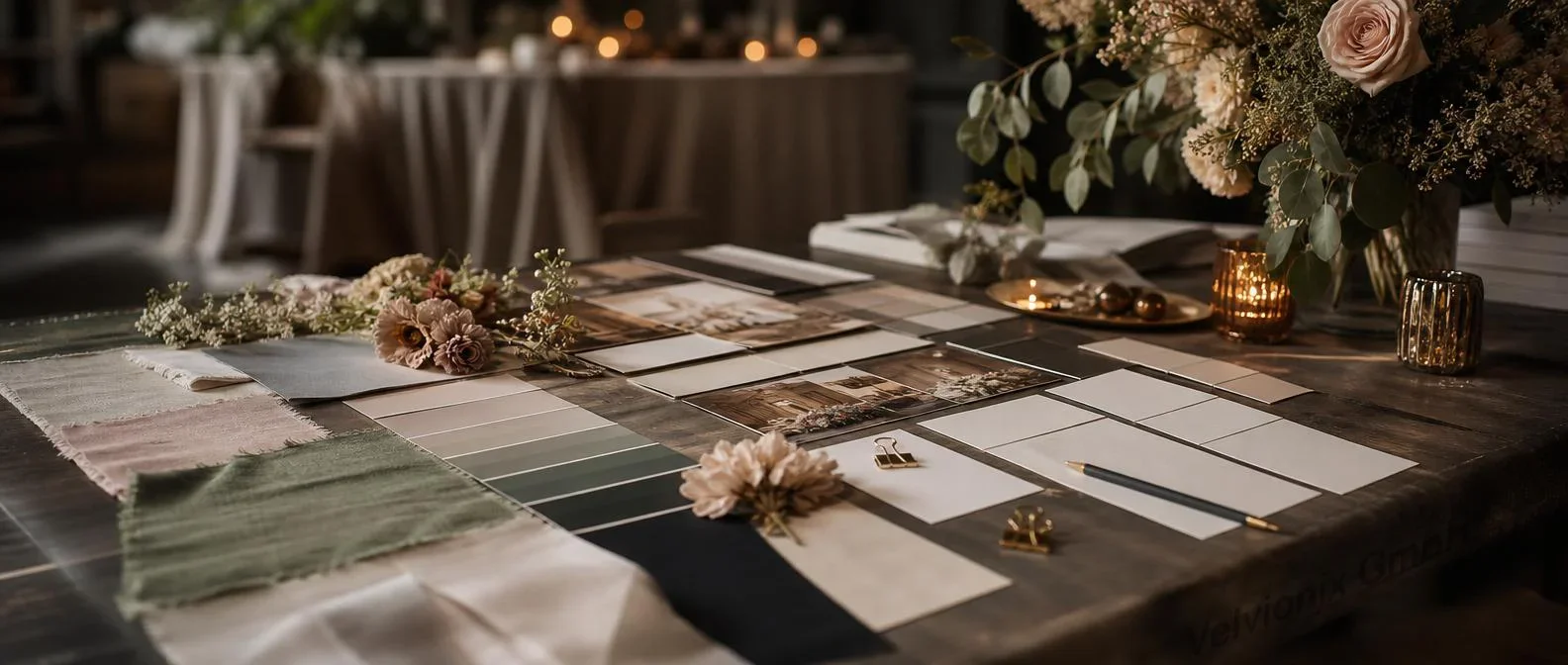
Professional website for wedding planners
Wedding planning is built on trust. Your website combines atmosphere with clear orientation and shows couples how you work, which services you provide and what happens after first contact.
Important notice Legal, tax and industry-specific information concerns Germany and expressly identified EU law. It is provided for general orientation and does not replace individual advice. Last review of the cited legal situation: April 2026 Show the full notice
Unless stated otherwise, the legal, tax or industry-specific information on this page reflects the law applicable in Germany and German official and professional practice. Directly applicable EU law and references to other jurisdictions are identified separately. The information was researched with due diligence using sources available as of the stated review date. For binding guidance on your specific project, please contact the competent chamber or a qualified specialist, such as a lawyer or tax adviser. The current statutes and official regulations always prevail.
Trust and style before the first consultation
Couples want more than beautiful celebrations. They want to understand how you guide decisions, bring structure and coordinate many contributors. Clear language, a personal presence and selected references make your working style tangible.
Full planning, partial planning, day-of coordination, venue search or consultation can be distinguished clearly. The presentation follows your real offer without a rigid package or page structure.
References and creative support
Reference weddings can show style, setting, planning task and outcome without exposing private details. We integrate existing imagery and copy carefully. If material or design direction is missing, we develop a fitting visual and brand world for the website.
Regions, venue types and wedding formats can be expanded where they matter to your offer. Additional pages and editorial content are optional extensions, not prerequisites for launch.
Enquiries, booking and privacy
Starter uses phone and email as direct contact paths. An optional enquiry form can collect date, region, guest count and requested support. The message goes directly to your business mailbox; permanent storage on our systems is not intended.
Existing appointment booking or a client area can be linked or embedded as an external widget. Contracts, data processing and ongoing operation remain with the provider. We do not build custom payment, contract or budget-management systems.
Planning services without vague package labels
Full planning, partial planning and wedding-day support may sound similar while carrying very different responsibilities. The website should therefore explain when you join the process, which decisions you guide and which tasks remain with the couple. Venue search, supplier coordination, timeline development and design direction can be included wherever they genuinely belong to your offer.
Prices may appear as a starting point, a range or an individual calculation. The important part is explaining relevant factors without assigning a fixed effort to every celebration. Region, guest count, duration, number of suppliers and special logistics may all matter. The proposal defines the actual service and fee; the website provides orientation rather than a blanket commitment.
References with atmosphere and a clear planning task
A reference can show more than decoration. It may explain the couple's starting point, the planning challenge and how style, timeline and contributors came together. Names, exact venues and private events do not need to become public. A factual anonymised story can demonstrate planning quality while respecting everyone involved.
Images of couples, guests and suppliers are published only with suitable approval. The same applies to quotes and logos. We provide a clear editorial structure but do not assess permissions or usage rights as legal advice. Where anything is uncertain, qualified counsel provides the final review before publication.
Clarify region, lead time and expectations early
Couples often look for a planner who understands their region and preferred celebration style. The website can explain service area, willingness to travel and practical conditions without rating individual venues or suppliers. Guidance on lead time, the initial consultation and the decision process helps reduce mismatched enquiries and prepares suitable couples more effectively.
An FAQ can answer questions about when to begin, what couples may handle themselves, supplier selection and communication. This does not require a prescribed number of guides or regional pages. Additional content is created only where it answers genuine audience questions. A clear information base can help search systems interpret the offer, but cannot guarantee visibility or enquiry quality.
Maintenance and useful growth after launch
Services and references evolve. Ongoing care can update copy, regions, images and practical guidance. New reference stories, further service pages and a blog are separate extensions. A blog can explore planning questions when you have useful expertise to share; no rigid publishing schedule or fixed article length is required.
Custom imagery, video, animation and interactive planning aids can strengthen the atmosphere, but are planned only where their benefit and budget are clear. Existing material remains welcome, but is not a prerequisite. External calendars, booking paths and client areas are linked or embedded as widgets, while contracts, data processing and operation remain with the specialist provider.
Make collaboration with couples and suppliers tangible
Planning depends on communication. The website can explain how discussions typically work, who prepares decisions and how changes are handled. These details remain flexible and are defined in the proposal. They help couples understand the planner's role without promising a rigid process or continuous availability.
Collaboration with venues, catering, photography, music, floristry and other specialists can also be described. Individual providers are not publicly recommended or rated. The focus stays on your coordination approach: bringing information together, clarifying responsibilities and identifying timing dependencies early. Supplier contracts and services remain directly between the couple and each provider.
Destination and multi-day celebrations may involve travel, accommodation, setup periods and local requirements. The website can mention relevant experience where it genuinely exists without implying suitability for every country or venue. Specific legal, tax and contractual questions remain with appropriate professional advisers.
The result connects emotional warmth with organisational clarity. Couples can see what support is available and how an introduction begins. Existing references strengthen this understanding, but are not prerequisites for developing copy, design and visual direction together. Future growth follows genuine services and approved projects.
Frequently asked questions about wedding planner websites
Which content helps couples make a decision?
Planning style, services, typical process, region, references and a clear contact path matter most. The website should show how you support couples and which weddings fit your approach.
Should packages and prices be public?
That depends on your positioning. Starting prices, ranges or individual proposals can all work when service boundaries and cost factors are explained clearly.
Do images, copy and a logo need to be ready?
No. Existing material is welcome, but not required. We develop the structure, tone and visual direction together. Custom imagery, illustration, video, animation or logo work can be added as optional creative services.
How are reference weddings and privacy handled?
Only approved images and details are published. Names, faces and private information can be omitted or anonymised. Permissions and usage rights should be documented and reviewed by a specialist where necessary.
What is included in Starter and what is optional?
Starter provides a compact professional presence with phone and email. A contact form, additional languages and further functionality can be added to suit the project. Appointment booking, a blog, additional pages, custom media production and external integrations are separately commissioned extensions.
What does a website for wedding planners cost?
A compact, professionally developed website starts from EUR 599. Additional pages, languages, forms, media and functionality can be added to match the required scope. Managed hosting and ongoing support start from EUR 59 per month. Our Website pricing & options page explains the professional foundation and the available ways to expand it.
More dedicated services in this industry
Looking for a website for a related profession? These dedicated pages might also be relevant:
Website for photographers
Present portfolio, services, photo series, prices or price ranges, specialisation, booking paths and contact clearly - for photographers who want to make style, quality and trust visible quickly.
View photographer website →Website for videographers & video production
Structure showreel, projects, services, production process, references, video embedding and enquiry paths clearly - for videographers and video production with services that need explanation.
View videographer website →Website for advertising agencies
Present services, positioning, industry focus, case studies, team, process and contact paths convincingly - for agencies with strategic and creative ambitions.
View advertising agency website →Website for marketing agencies
Organise services, channels, approach, references, expert articles, lead magnets and enquiry paths clearly - for marketing agencies that want to show competence and structure.
View marketing agency website →Website for graphic designers & design studios
Present portfolio, design services, project examples, style direction, process, contact paths and enquiry form in a visually high-quality way - for graphic designers and design studios.
View graphic designer website →Website for social media agencies
Present content services, channels, examples, processes, packages, references and contact paths professionally - for social media agencies with services that need explanation.
View social media agency website →More relevant industries
What We Have Already Delivered
Our reference project shows a custom website with a multilingual structure, animated landing page, interactive map and automatic contact form - built from scratch instead of a website-builder template.
View reference project →Full details about the professional Starter foundation, pricing and flexible extensions are available on our “Website pricing & options” page.
View pricing & options →Ready for a website that reflects your planning style?
In a free initial consultation we discuss services, ideal couples, regions, available material and optional extensions. Together we establish a creative direction that fits your approach.
Discuss your wedding planner website