Website for logistics companies

Get a Website Built for Your Logistics Company

Commercial clients check online which transport routes, warehouse services and contacts a logistics company actually offers. The website makes that scope visible and leads to an enquiry. It does not replace dispatch or an existing order system.

  • Services
  • Transport Routes
  • Warehousing
  • Enquiry
  • B2B

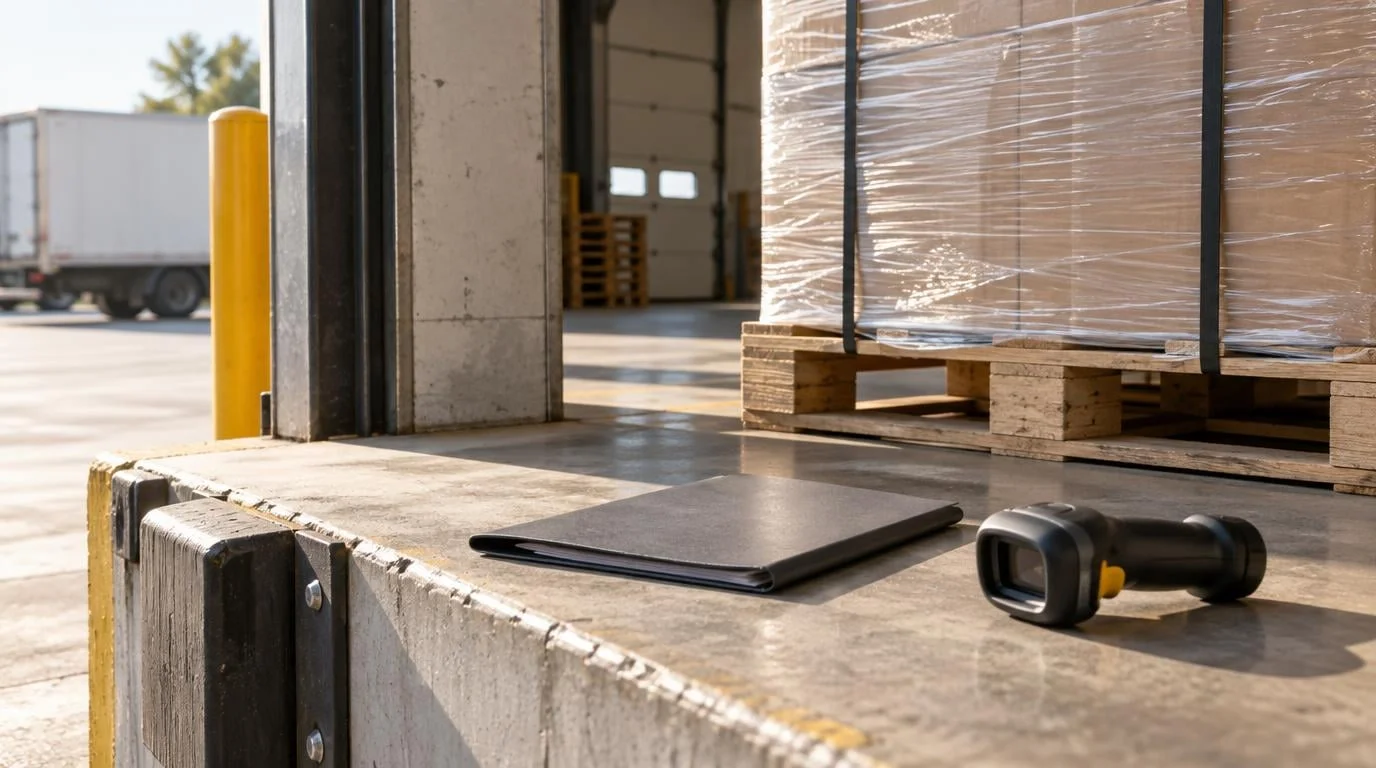
Decorative industry image: logistics worker from behind at a loading dock beside a truck

SERVICES, TRANSPORT ROUTES, ENQUIRY

Show the offer. Explain the coverage. Lead to an enquiry.

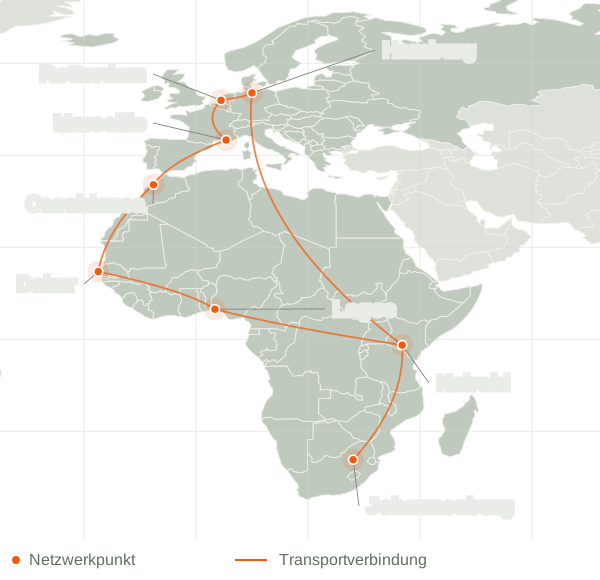
Groupage, part and full loads, warehousing and specialist solutions follow different processes. The website shows which of these the business offers and which regions or transport routes it serves.

Clients from industry, retail and other forwarders weigh transit times, handling, warehousing and named contacts differently. Clear structure supports a first review and does not replace a quotation.

Name only the services you offer

The homepage states the offer, the coverage and the path to an enquiry in a few sentences. The service presentation stays with the real offer. Extra pages for individual transport routes or industries are agreed only when they have their own content.

Make transport routes understandable

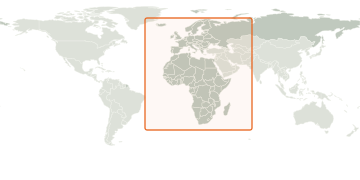
Regions, ports or fixed routes appear only when the business serves them. Repeated location pages without their own value are not included. Blanket claims about market position are left out.

Keep the enquiry separate from operations

An enquiry form can ask for the transport route, goods, timing and a contact. The details go straight to the company mailbox. Price calculation, shipment tracking and dispatch stay outside the website.

ON EVERY DEVICE

How a logistics website can look

A homepage with services, network, warehousing and a clear enquiry path, shown on desktop, tablet and phone.

VISUAL DIRECTION

The appearance should fit the business, not a template

The devices above show what that appearance can look like. Fleet, warehouse and the path to an enquiry need to be as clear on a phone as on a desktop.

Imagery

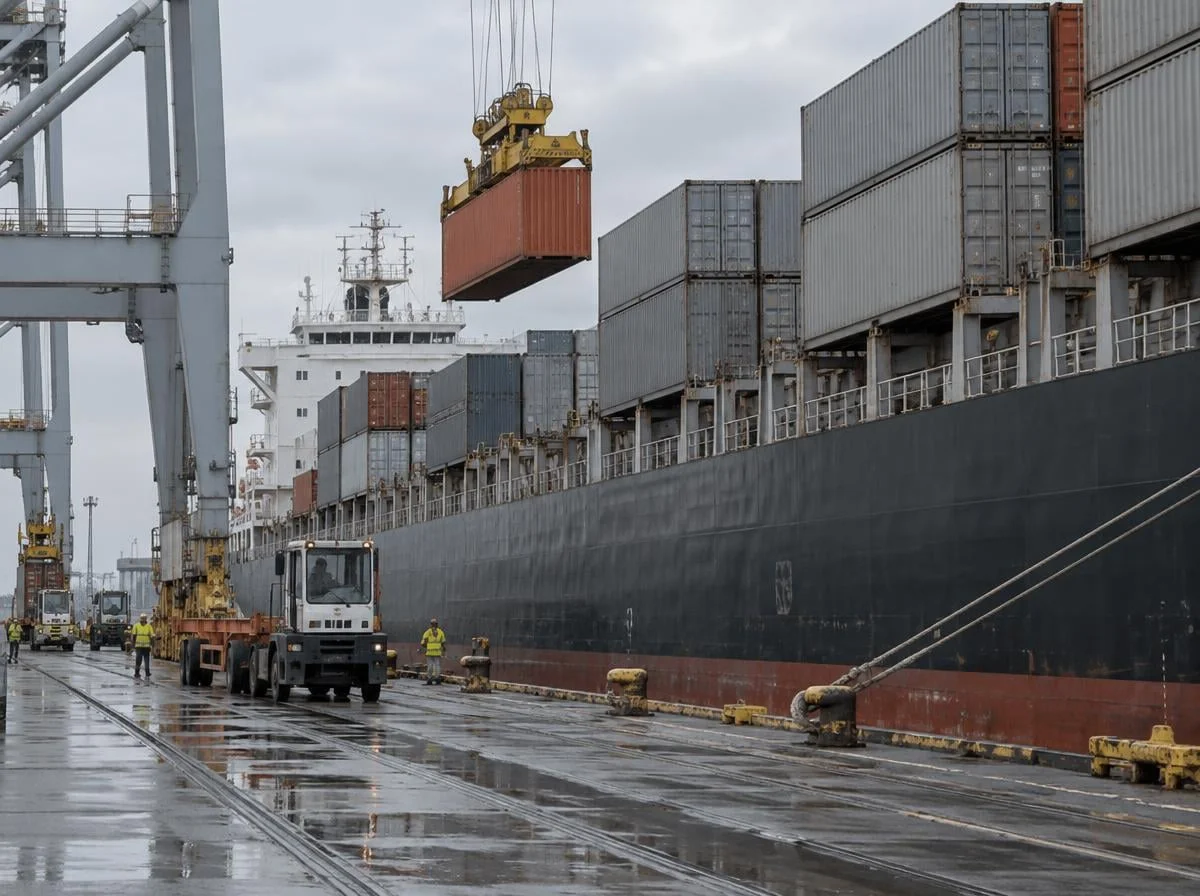
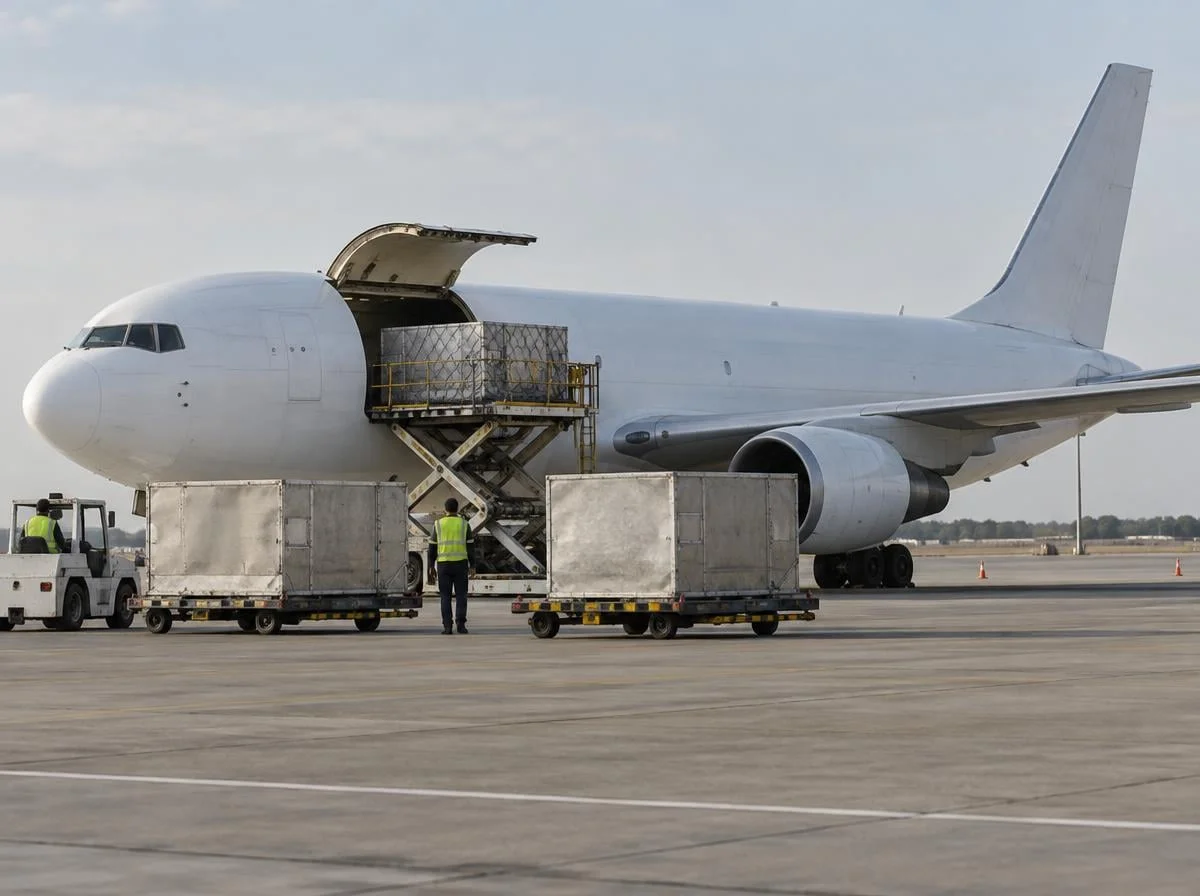
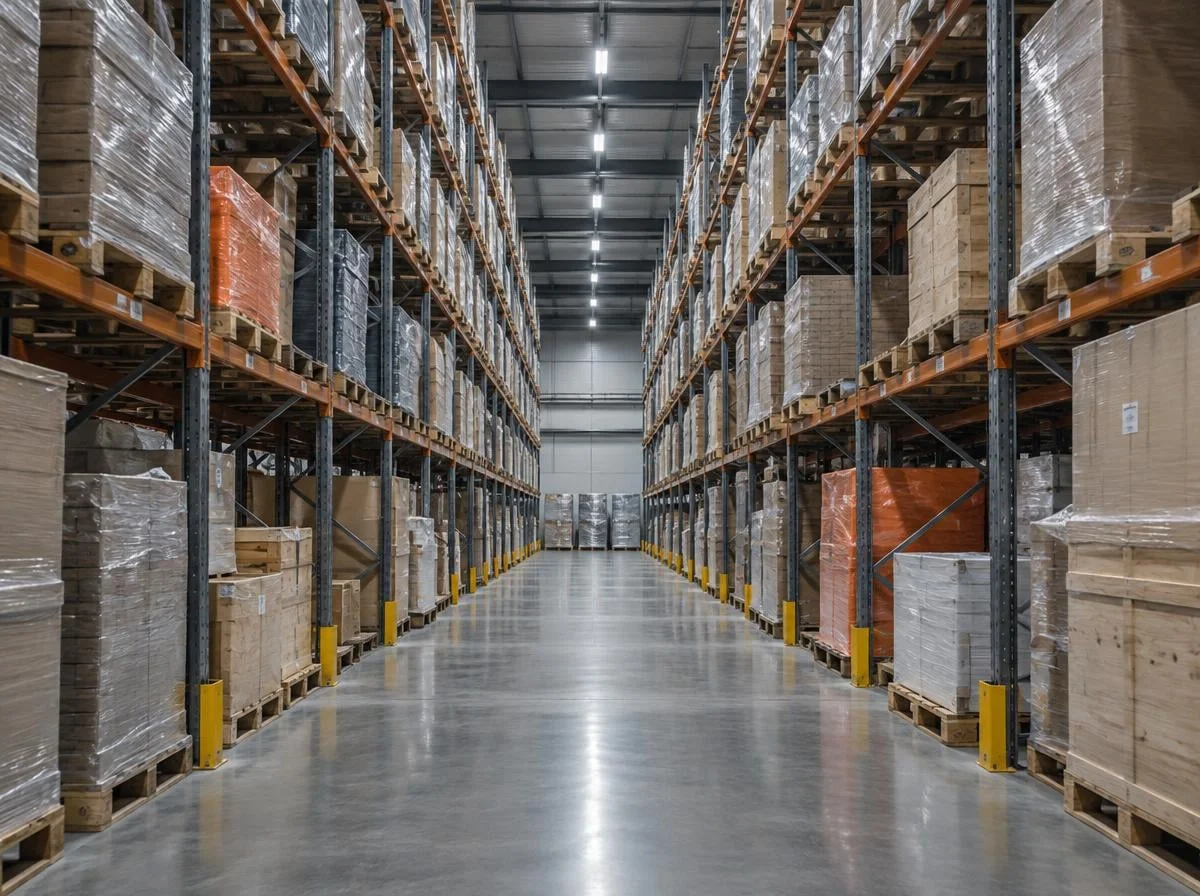
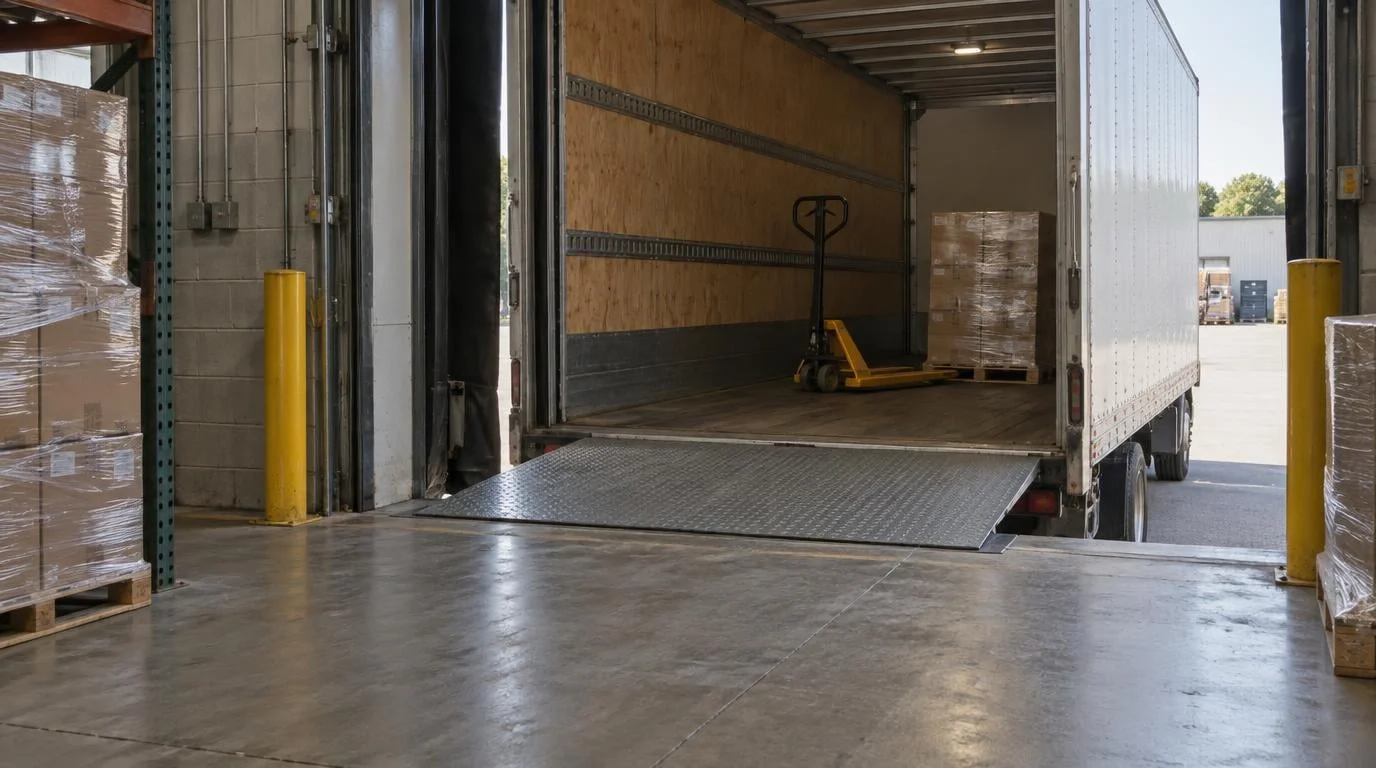
Use photos the business already has of the fleet, the dock and the warehouse. Missing pictures do not block the start. Generic archive photos that could belong to any company are not used.

On a phone

Clients often open the page on a smartphone after a recommendation or a search. Services, transport routes and the path to an enquiry need to be reachable without a detour.

First contact

Phone, email or a short form. The website shows the path to an enquiry and does not carry shipment data.

WEBSITE DEVELOPMENT AND GROWTH

Start compact and add pages only where there is content for them

A compact logistics website starts at EUR 499 and includes a homepage and up to four compact subpages.

Typically included:

  • individual, industry-fit web design
  • responsive layout for phone, tablet and desktop
  • clear structure for services, transport routes, warehousing and contact
  • technical SEO foundations
  • technical quality check before launch
  • phone and email contact
  • domain connection and launch

Examples of extensions:

  • additional transport route or industry pages
  • a link to an existing customer or shipment portal
  • further languages
  • a data-minimal enquiry form without document upload
  • approved fleet, warehouse or team photos
  • individual images, graphics or hero visuals
  • articles or a blog

The first version can present services, transport routes, warehousing and contact. Further transport routes, industries, languages, forms and integrations follow only when they support the real process.

The website shows commercial clients how to enquire with the business. Dispatch, warehouse management, shipment tracking and an existing order system stay outside the website.

View pricing & options →

Frequently asked questions about websites for logistics companies

Which services should the website show?

Only the services the business actually offers, for example groupage, part and full loads, warehousing or specific transport routes. Further detail pages are agreed separately.

Are shipment tracking and dispatch part of the website?

No. Existing specialist systems stay with the business. The website can link to a public entry point, but it does not take over order handling.

Can permits and insurance appear on the website?

Yes. What the business has and wants to show is presented clearly, for example a transport permit or an existing policy. The wording comes from the business.

Can an enquiry form be added?

Yes, as an optional extension. It collects the necessary key details and sends them to the company mailbox. It does not automatically create a fixed price or a booking.

What does a website for a logistics company cost?

A compact, professionally developed website starts from EUR 499. Additional pages, languages, forms, media and functionality can be added to match the required scope. Managed hosting and ongoing support start from EUR 29 per month. Our Website pricing & options page explains the professional foundation and the available ways to expand it.

More industries

What We Have Already Delivered

Our practice example shows a custom website with a multilingual structure, animated landing page, interactive map and automatic contact form - built from scratch instead of a website-builder template.

View examples →

Ready for a website that fits your logistics business?

In the initial call we clarify the services, transport routes, warehousing and contacts that belong on the website. You receive an offer for the website foundation. Existing copy, images or a logo are welcome, but they are not a prerequisite.

Discuss your logistics website