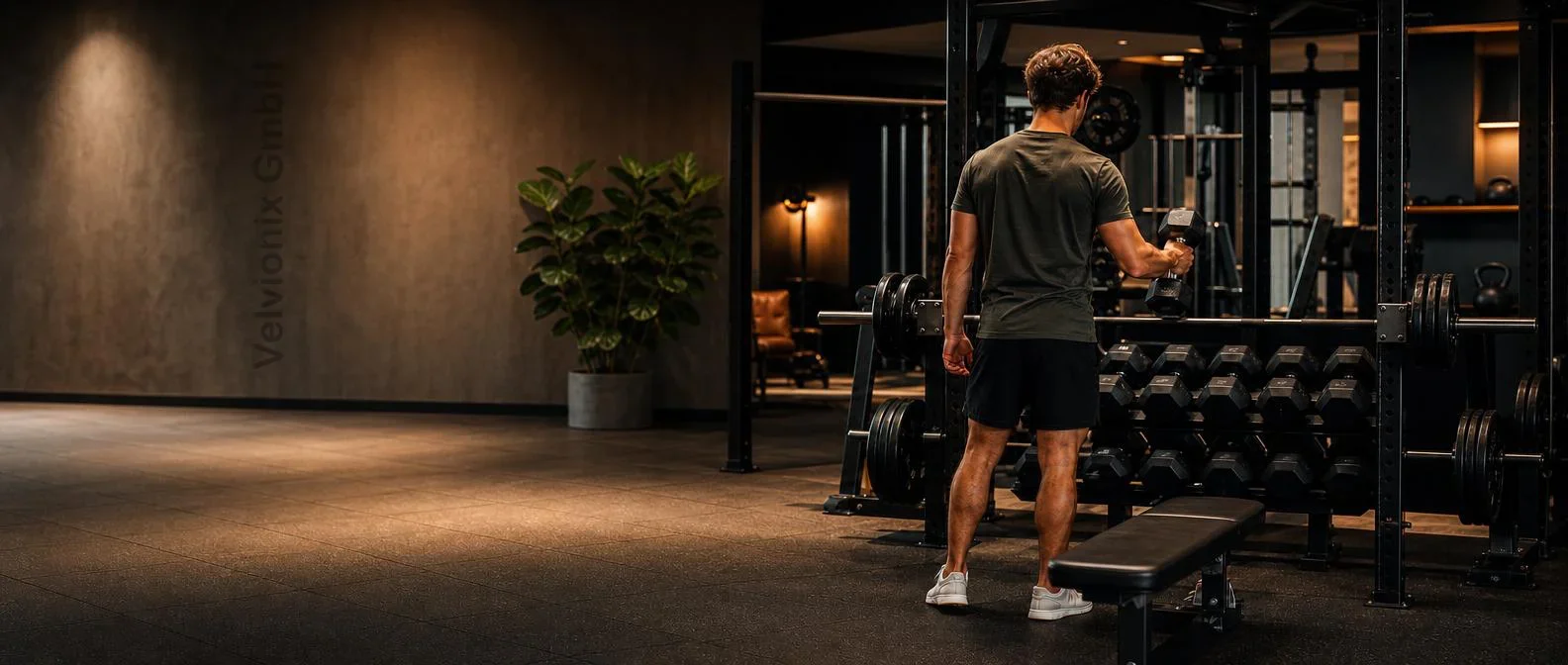
Professional Website for Gyms
Gyms differ through atmosphere, coaching, equipment, audiences and pricing. We build clearly structured websites that make these strengths visible and provide an understandable route to contact or trial training - without guaranteeing bookings, rankings or membership outcomes.
Important notice Legal, tax and industry-specific information concerns Germany and expressly identified EU law. It is provided for general orientation and does not replace individual advice. Last review of the cited legal situation: April 2026 Show the full notice
Unless stated otherwise, the legal, tax or industry-specific information on this page reflects the law applicable in Germany and German official and professional practice. Directly applicable EU law and references to other jurisdictions are identified separately. The information was researched with due diligence using sources available as of the stated review date. For binding guidance on your specific project, please contact the competent chamber or a qualified specialist, such as a lawyer or tax adviser. The current statutes and official regulations always prevail.
Why gyms benefit from a clear website
Many prospective members use the web to compare location, opening hours, pricing, equipment and classes. A dedicated website brings this information together and communicates the studio's character. It supports comparison without promising a specific search position or number of trial bookings.
Local and specialist studios can make personal coaching, specific audiences and an independent concept visible. Existing photos and videos are welcome but not required; suitable media can be developed within the agreed scope or added later.
What belongs on a modern gym website
The homepage presents positioning, opening hours, pricing, schedule and a clear contact route. Existing photos are welcome but not required; suitable imagery can be developed within the agreed scope or added later. Direct trial booking is optional.
The pricing page can explain tariffs, included services, minimum terms, notice periods and additional costs clearly. Its scope and contract details follow the actual offer and are reviewed before publication by the studio or specialist advisor.
The schedule can appear as a table, file or connection to an existing specialist system. Short descriptions help people choose. Trainer profiles, filters and dynamic maintenance are optional extensions.
A gallery can show equipment, classes, wellness areas and trainers when suitable material exists. Its scope and media production are agreed separately. The website can also launch without a completed photo shoot and add photos or video later.
Trial training can be requested by phone, email or an existing booking route. Forms and class or member-management widgets are optional extensions implemented only within the agreed scope.
Positioning should be more concrete than "training for everyone". An owner-managed health studio, strength gym, boutique concept, women-only studio or centre with rehabilitation and prevention links addresses different people. We make audiences, training focus, coaching model and atmosphere understandable without disparaging other gyms. Health, performance and training statements remain factual and are not formulated as guaranteed results.
Facilities are organised by training area rather than as a long brand list. Useful categories may include free weights, resistance machines, cardio, functional zones, studios, mobility, sauna or diagnostics where genuinely available. Practical information on opening hours, coached hours, induction and access rules helps more than superlatives. The studio needs to keep new equipment, temporary limitations and renovations current.
Class information should give beginners understandable details on level, intensity, duration, required equipment and possible prerequisites. Abbreviations and training terms receive short explanations. The public schedule can show regular times while cancellations, waiting lists and booking status remain in the existing specialist system. Interactive filters, live occupancy and automatic synchronisation are optional integrations.
Trainer profiles can present education, licences, genuine specialisations, languages and coached formats. Existing portraits are welcome but not required. Certificates and association logos appear only with clear usage rights. Rotas, internal availability and automatic trainer allocation do not belong in the baseline website; additional individual profiles and video introductions are optional media elements.
Pricing models should distinguish monthly fees, joining fees, minimum terms, renewal, cancellation routes and paid extras. Day passes, multi-visit cards, corporate terms and student tariffs appear only when genuinely offered and current. The website replaces neither contract conclusion nor individual consumer advice. Checkout, direct-debit mandates, member accounts and electronic signatures remain in a separately reviewed specialist system.
A trial-training section explains what visitors can expect: duration, registration, clothing, towel, lockers, accompanying persons and an introductory conversation where applicable. Health and anamnesis data are not collected through a general website form. The website does not decide whether medical assessment or adapted training is required. The studio supplies and maintains its organisational and professional guidance.
Directions and accessibility are also part of the choice. The page can describe parking, bicycle racks, public transport, entrance, lift, changing rooms, showers and genuinely accessible areas. Blanket claims of full accessibility are used only with a reliable basis. Information on peak times, house rules, minimum age and accompanying-person rules helps people plan where it reflects actual studio operations.
Differentiation from chains and boutique competition
Clear positioning by audience, coaching, equipment and genuine focus areas helps people and search systems understand the offer. It can distinguish the studio from alternatives but does not guarantee a particular search position or membership outcome.
A blog is an optional extension and is useful only when the studio can professionally review and maintain its content. Articles may cover training basics, trainer interviews or studio news. Reach, rankings and memberships are not promised.
Mobile layouts, fast loading and clear contact routes
Many prospective members use smartphones. We therefore build responsive pages designed for fast delivery and easy-to-reach contact routes. Actual effects on enquiries or bookings depend on the offer, location and use.
We support local orientation with consistent contact details and structured data that matches the visible content. External map or review profiles can be agreed separately. Enhanced search displays, rankings and click-through rates are not guaranteed.
Imagery should reflect real studio operations. Genuine rooms, equipment, classes and team members are more informative than interchangeable fitness motifs where consent and usage rights are available. Existing material is welcome but not required. A new photo shoot, video, 360-degree tour and extensive gallery are optional media services. Body depictions remain respectful and are not connected to unrealistic outcome promises.
Particular audiences may benefit from dedicated sections within the agreed page structure, such as beginners, older adults, strength athletes, women, companies and people returning after a break. The text explains coaching, prerequisites and genuine services without assessing health suitability at a distance. Additional campaign or location pages are optional and are created only when they have distinct, useful content.
House rules and safety information are presented compactly and practically. Minimum age, accompanying-person rules, clothing, towels, lockers, drinks, photography restrictions and conduct in class rooms can be clarified before a visit. Medical clearance, liability questions and individual training suitability remain outside the website. The studio reviews contractual and safety guidance with suitable specialist advisors.
Contact forms need only the details required for an organisational response. Health goals, injuries and anamnesis data do not belong in a general website form. If an existing member or training system processes such data, the website can optionally link to it. The studio clarifies contracts, consent, retention periods and privacy roles directly with the provider and its advisor.
Pricing, schedules, trainer teams, opening hours and promotions change regularly. We therefore agree clear responsibility and a review interval. Small updates can be handled through ongoing support; a self-service editorial login and automated interfaces are optional. Outdated promotions are removed instead of remaining online as apparently available offers.
Frequently Asked Questions about Gym Websites
What decides gym choice online?
Location, equipment, pricing, contract terms, audience and atmosphere are often important criteria. A structured website makes these details easy to scan and supports an informed choice without promising a particular number of trials or memberships.
Should I openly show prices and membership models?
Transparent pricing, terms, notice periods and additional costs help prospective members assess the offer. The studio decides which tariffs to publish. Contract details are professionally reviewed before publication; fewer enquiries or more sign-ups are not promised.
How important is the trial training offer?
A clear route to trial training can be useful. Phone and email belong to the baseline scope; an enquiry form or an existing course and member management widget are optional extensions. Any further onboarding or membership workflow remains in the studio's specialist system.
Classes - how do I present the schedule?
The schedule can appear as a maintained file, a clear table or an optional connection to an existing specialist system. What matters is clear information on class format, audience, intensity and current timing. The right solution follows the studio's real maintenance process; live data and automatic synchronisation are optional extensions.
How do I differentiate from chain gyms?
Coaching, atmosphere, equipment and genuine specialisations should be easy to understand. The website can present these differences factually but does not promise paying members or a particular retention period.
What does a gym website cost?
A compact, professionally developed website starts from EUR 499. Additional pages, languages, forms, media and functionality can be added to match the required scope. Managed hosting and ongoing support start from EUR 39 per month. Our Website pricing & options page explains the professional foundation and the available ways to expand it.
More dedicated services in this industry
Looking for a website for a related profession? These dedicated pages might also be relevant:
Website for yoga studios & yoga teachers
Present yoga styles, class times, teacher profiles, atmosphere, prices, workshops, retreats and booking paths calmly and clearly - for studios and independent yoga teachers.
View yoga website →Website for Personal Trainers
Present positioning, training focus areas, qualifications, process, prices or price ranges, contact paths and appointment options clearly - for personal trainers with a personal brand.
View personal trainer website →More industries
What We Have Already Delivered
Our practice example shows a custom website with a multilingual structure, animated landing page, interactive map and automatic contact form - built from scratch instead of a website-builder template.
View examples →Full details about the professional Starter foundation, pricing and flexible extensions are available on our “Website pricing & options” page.
View pricing & options →Ready for your new gym website?
In a free initial consultation we discuss target audience, equipment and positioning. You get a concrete offer that fits your concept - without chain look, without builder standard.
Discuss your gym website